Subtotal $0.00


Why More Adults Are Choosing Braces and Invisalign
Adult orthodontic treatment is no longer unusual. More adults are choosing braces and clear aligners to address teeth that shifted, improve a bite, prepare for restorative dental work, or finally make a change they have considered for years.
Recent data from the American Association of Orthodontists shows that this is more than a passing trend. Its 2025 Economics and Patient Census Survey estimated that AAO members in the United States were treating approximately 1.91 million adults in 2024, compared with 1.64 million in 2022.
Adult Orthodontics by the Numbers
| Survey year represented | Estimated U.S. adult patients treated by AAO members |
|---|---|
| 2022 | Approximately 1.64 million |
| 2024 | Approximately 1.91 million |
| Change | About 270,000 additional adults, an increase of roughly 16% |
Source: American Association of Orthodontists, 2025 Economics and Patient Census Survey. The percentage change is calculated from the survey estimates.
Why Are More Adults Starting Orthodontic Treatment?
There is no single explanation. The increase reflects a combination of improved treatment options, greater awareness, digital planning, and the fact that adults often have different reasons for seeking care than teenagers.
1. Adults Know That Treatment Can Work at Any Age
Healthy adult teeth can respond to orthodontic forces. Age does not automatically disqualify someone from braces or aligners. The more important considerations are gum health, bone support, tooth condition, the bite, and the movements needed.
This does not mean every adult has the same treatment choices. Adults are more likely to have crowns, implants, missing teeth, worn teeth, gum concerns, or previous orthodontic treatment. Those factors can make planning more detailed, but they can also make orthodontic care an important part of a larger dental plan.
2. Treatment Can Be Less Noticeable
Traditional braces remain an effective option, but adults now have choices that may be easier to fit into work and social settings. Clear aligners are removable and designed to be discreet. Ceramic brackets may also offer a less noticeable appearance than traditional metal braces.
Appearance is only one part of the decision. Clear aligners require consistent wear, while braces stay in place and provide a different type of control. An orthodontist should recommend an appliance based on the diagnosis rather than visibility alone.
3. More Adults Are Addressing Teeth That Shifted
Teeth can change position throughout life. Adults who completed orthodontic treatment years ago may notice crowding, spacing, or a bite that no longer feels the same, particularly when retainers have not been worn consistently.
Some patients need only limited retreatment, while others benefit from a more comprehensive plan. The article Why Your Teeth Shift as an Adult, Even After Braces explains relapse, age-related movement, and the role of retainers in more detail.
4. Orthodontics Can Support Restorative Dental Care
Adult orthodontics is not always a stand-alone cosmetic decision. A dentist may recommend moving teeth before placing an implant, bridge, crown, or other restoration. Orthodontic treatment can create space, close unwanted space, improve tooth positions, or help establish a better foundation for restorative work.
This type of care may involve coordination between an orthodontist, general dentist, periodontist, oral surgeon, or prosthodontist. Dental implants themselves do not move with conventional orthodontic forces, so the sequence of treatment matters.
5. Digital Records Make Planning More Comfortable and Detailed
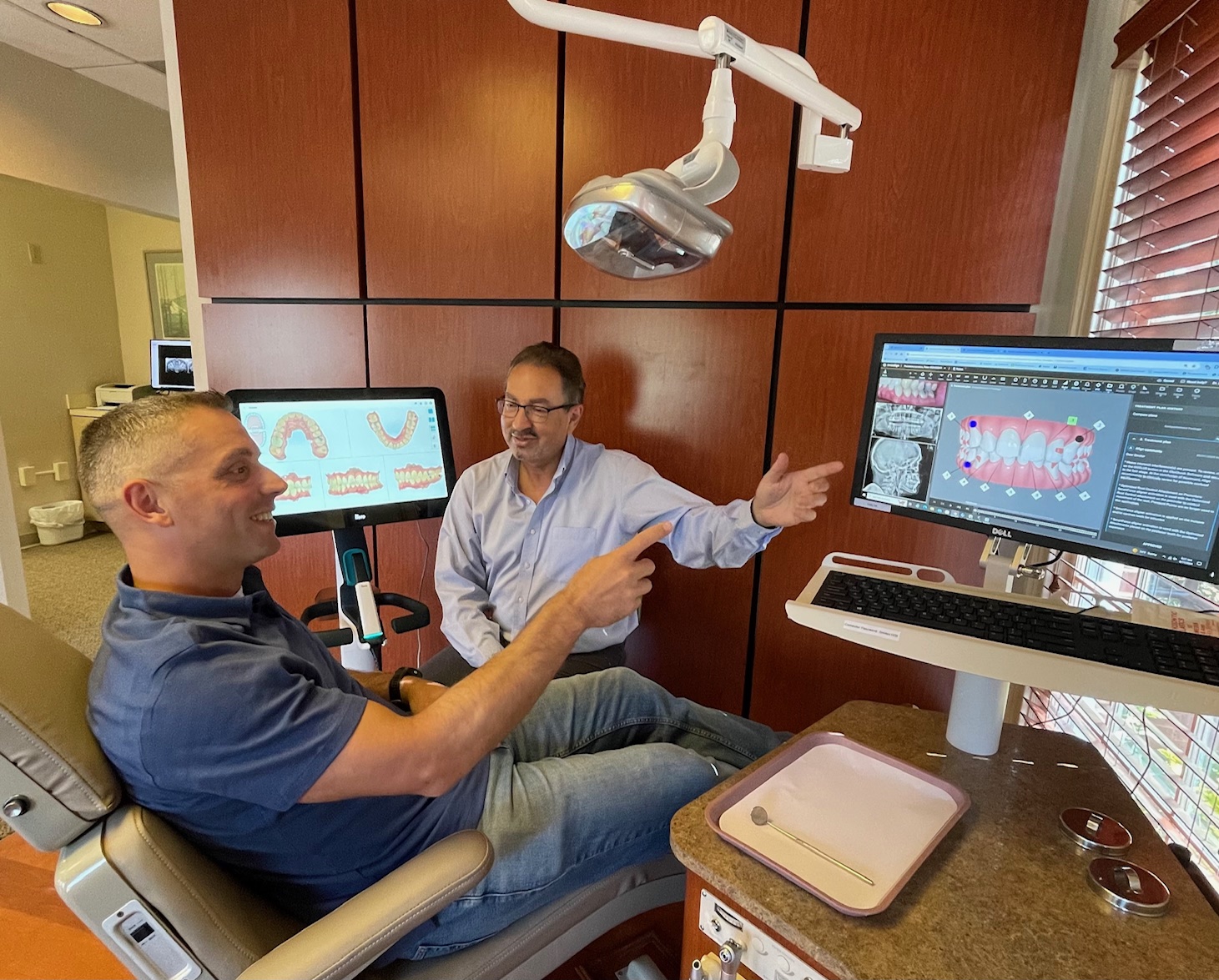
Modern orthodontic records can include digital photographs, X-rays, and intraoral scans. A scanner creates a digital model of the teeth without the traditional impression material many patients remember. These records help the orthodontist evaluate tooth positions, roots, bone, and the bite before recommending treatment.
Masterpiece Smiles uses impression-free digital imaging to support treatment planning and appliance design.
6. Adults Have More Ways to Plan for the Cost
Cost remains an important consideration, but many adults are taking the time to compare treatment options, review orthodontic insurance benefits, and explore payment arrangements. The final fee depends on the complexity and length of treatment rather than age alone.
The practice’s financing and payment options page provides a starting point for planning. Adults considering aligners can also review the guide to the factors that affect Invisalign cost.
Braces and Invisalign Serve Different Adult Needs
The growth of clear aligners has expanded awareness of adult orthodontics, but it does not mean aligners have replaced braces. Both approaches remain useful.
| Adult priority | How braces may help | How Invisalign may help |
|---|---|---|
| Discreet appearance | Ceramic or other less-visible bracket options may be available. | Clear trays are designed to be difficult to notice. |
| Removability | Fixed in place, which removes the need to remember daily wear. | Can be removed for meals, brushing, and flossing. |
| Complex tooth movement | May offer advantages for certain movements and bite corrections. | Can treat many cases, but suitability depends on the diagnosis. |
| Daily routine | Requires cleaning around brackets and avoiding certain foods. | Requires consistent wear, cleaning the trays, and putting them back in after meals. |
Learn more about braces and Invisalign, or visit the complete adult orthodontics page for a broader comparison.
The Important Qualification: Healthy Foundations Come First
The increase in adult treatment does not change the need for careful screening. Active tooth decay, unstable dental work, or periodontal disease may need to be treated before orthodontic movement begins. Adults with a history of gum disease may also need closer coordination and monitoring during treatment.
This is one reason an in-person orthodontic evaluation matters. It allows the doctor to assess the full condition of the teeth and bite rather than making a recommendation based only on a photograph or a patient’s preferred appliance.
What the Adult Orthodontic Trend Means for Patients in Marietta and Kennesaw
The national data confirms that adults are a major part of modern orthodontic care, but the decision remains personal. Some adults want to correct a small amount of shifting. Others need a comprehensive plan involving the bite, missing teeth, or future dental work.
Masterpiece Smiles Orthodontics offers adult braces and Invisalign consultations at its Marietta office and Kennesaw office. The consultation is an opportunity to review your goals, digital records, treatment choices, expected timeline, and cost before making a decision.
Considering Adult Orthodontic Treatment?
You do not have to decide between braces and Invisalign before your first visit. Start with an evaluation, learn what your smile actually needs, and compare the options that can accomplish those goals safely.
Research sources: American Association of Orthodontists, 2025 Economics and Patient Census Survey summary; AAO guidance on the growth of adult orthodontic treatment; AAO guidance on digital records used during an orthodontic evaluation.


Comments are closed